Common Causes
Medical and environmental factors that can lead to speech and communication problems. Topics include hearing loss, brain injuries, strokes, autism, and physical impairments.

Autism
Autism affects social interaction and communication development, with over half a million diagnosed in the UK and no single known cause or cure.

Brain Injury
Brain injuries can damage speech and language abilities, causing aphasia, apraxia, and other communication disorders.
Cancer as a Cause of Speech Disorder
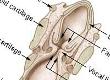
How cancer affecting the mouth and larynx can cause speech disorders and what support options exist for recovery.

Cerebral Palsy
Cerebral palsy causes muscle control problems from a brain injury at birth, and speech therapy can help improve communication and muscle control.

Child Abuse and Speech Disorders
Emotional abuse can cause speech disorders in children, leaving invisible marks that show up in how they communicate.

Cleft Lip or Palate
Cleft lips and palates are birth defects that can affect how children speak, but treatment options exist to help.

Dementia
Dementia covers multiple brain conditions that can affect speech and language, including aphasia and dysarthria.

Drug Abuse
Drug abuse damages the brain and impairs communication, affecting speech, memory, comprehension and language skills.

Hearing Loss
Hearing loss affects how children learn speech and language, with three main types requiring different treatment approaches.

Neurological Disorders
How neurological disorders like aphasia and apraxia affect speech and movement, and what to expect from treatment.

Physical Impairments
Physical impairments like cleft lip and vocal cord disorders can cause speech difficulties, though treatment outcomes vary for each person.

Strokes
Brain damage from a stroke can affect how you speak and understand language, but speech therapy can help restore communication abilities.

Vocal Abuse or Misuse
Vocal abuse from overuse can damage your voice; here's how dry air, dehydration and other factors harm your vocal cords and what you can do about it.